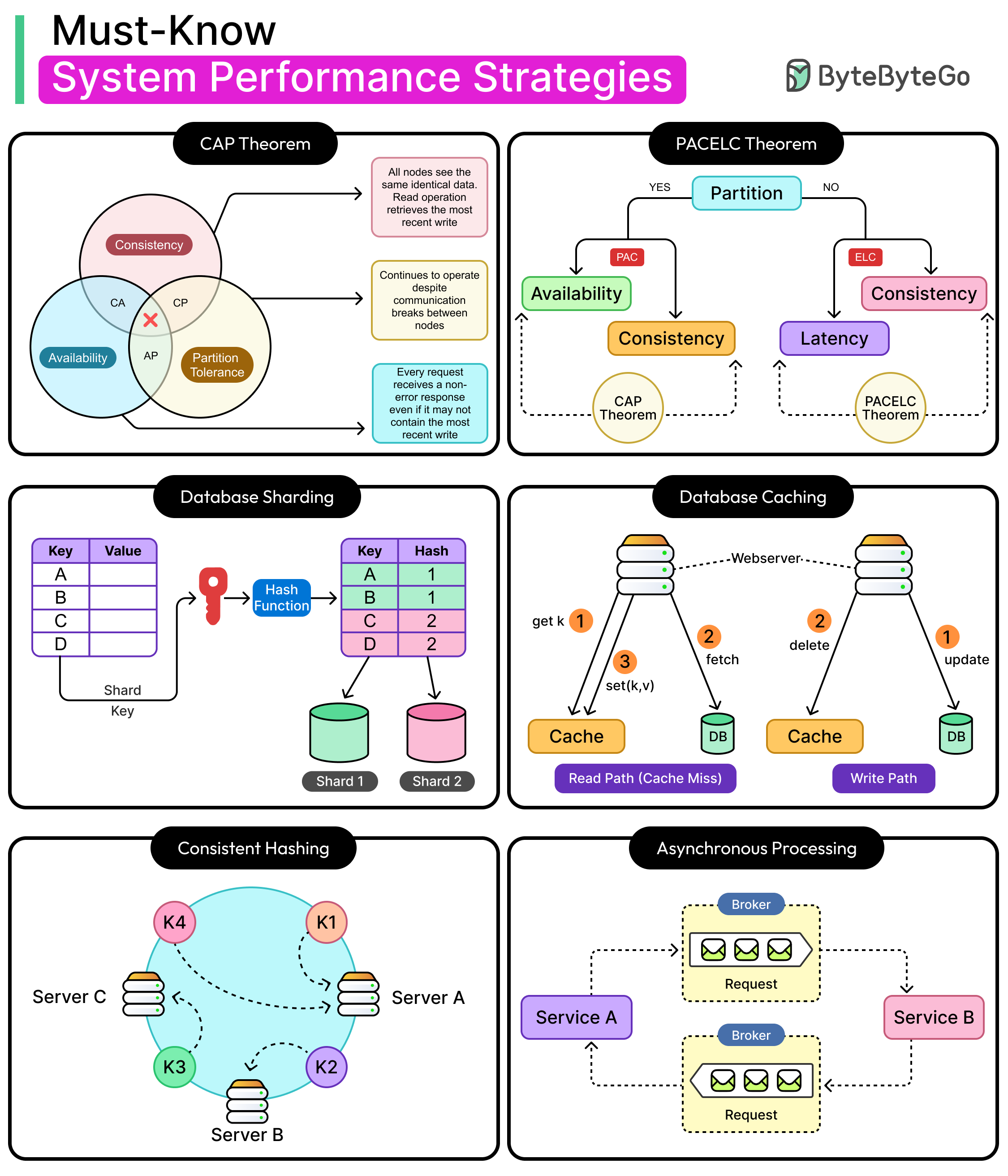
When we start building software, we often think of performance as simply how fast our application runs.
We might equate performance to making a function run faster or optimizing a short piece of code. However, as we move into professional software development and system architecture, we must adopt a more strategic and precise definition of what performance truly is.
We must realize that system performance is not just an abstract idea of “speed”. Instead, it is a formal, measurable quality defined by industry standards.
This standardized quality attribute is called Performance Efficiency. Performance is formally defined as the degree to which a software system or component meets its responsiveness and throughput requirements within the limits of its available resources.
In simple terms, performance is a strategic ratio: it measures the useful work we get done compared to the resources (like time, CPU, and memory) we use up while operating under a specific workload. A high-performing system maximizes the work output while minimizing resource waste
In this article, we will look at system performance in detail, understand how it can be measured, and investigate key strategies that can be used to improve the performance of a system on different levels.